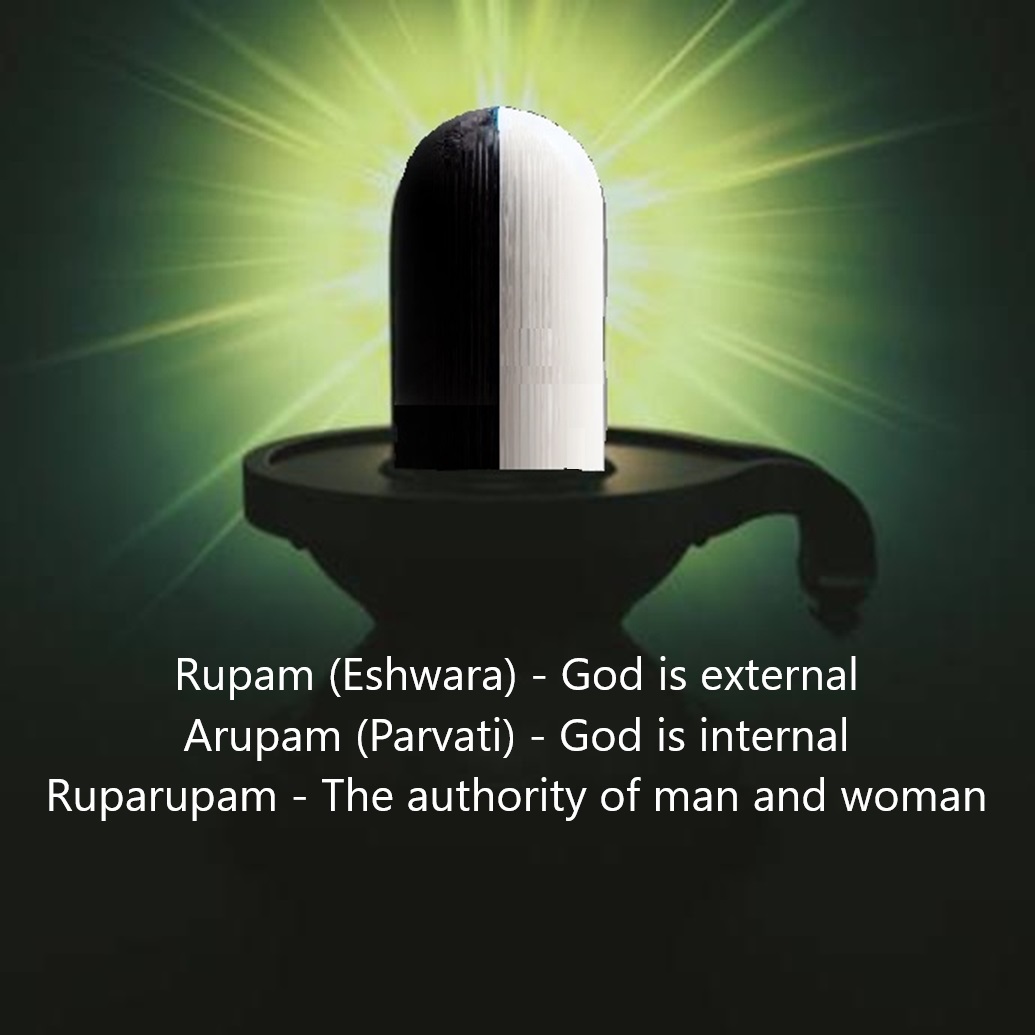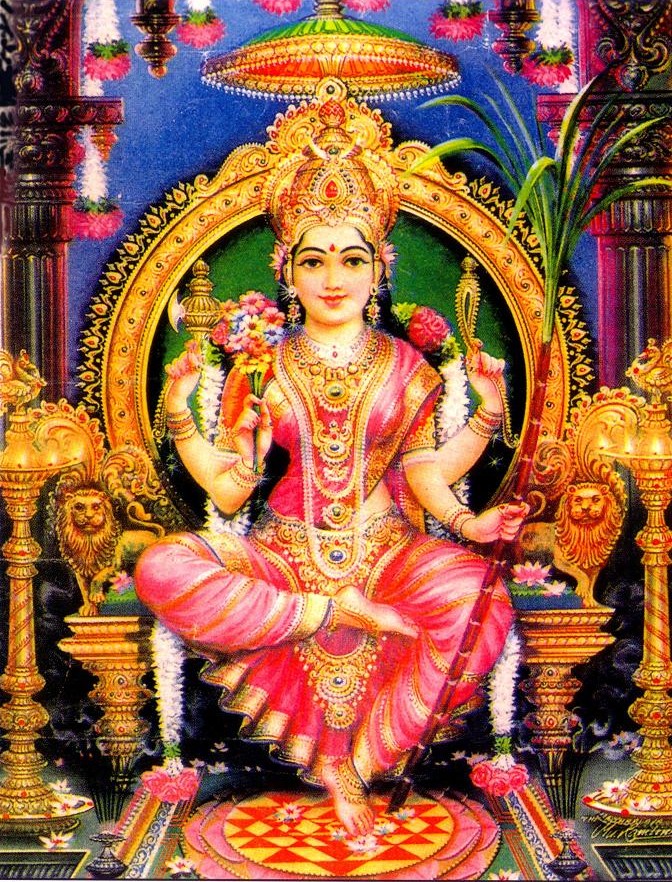
In the vast spectrum of philosophical thought, Lalitha, which translates to "glitter," embodies the idea of bringing the unseen into the seen, the imperceptible into perception. While Eshwara represents a force responsible for creating an unofficial or subtle impact on life, Lalitha is the energy that brings those impacts into full manifestation — making them official, tangible, and luminously present in the world.
The Philosophy of Perception
Lalitha is more than a deity or a symbol — it is a philosophy that encourages the transformation of abstract ideas, thoughts, and plans into concrete realities. It involves the subtle art of navigating life in a way that allows us to be both mindful of the present and aware of the future. While it is crucial to have a goal or purpose in life, Lalitha reminds us that the journey itself holds equal importance. This philosophy asserts that the process — the present moment — is not something to be overlooked in the quest for a future outcome.
Where Eshwara may represent the drive toward a future goal, Lalitha is the embodiment of the present: the journey. It signifies the glitter of life as it happens — the vibrancy of the path itself rather than just the end destination. The key lesson here is balance: while one should strive toward a goal, it is equally important not to sacrifice the present in the pursuit of that future.
"The glitter of Lalitha is not the gold at the end of the journey — it is the light that falls on every step you take toward it."
The Journey and the Destination
Life is often viewed as a series of goals, with an emphasis on purpose and achievement. Yet Lalitha teaches that the present — what we experience along the way — holds its own intrinsic value. There is wisdom in recognising that happiness, contentment, and fulfilment are not solely found in reaching a destination but also in savouring the steps that lead us there.
This philosophy encourages a holistic approach to life, where the future and present coexist harmoniously. By giving equal importance to the present and the future, one acknowledges both Eshwara and Lalitha. This balance prevents the suffering that so often comes from focusing exclusively on distant goals — a singular focus that can result in sacrificing the joy and contentment available right now.
Eshwara — The Destination
The force of purpose, of subtle and unofficial impact. The drive toward a future goal. The horizon that gives direction to the journey.
Lalitha — The Journey
The energy that brings the imperceptible into full manifestation. The glitter of the present — vibrant, official, and undeniably real at every step.
The Glitter of Balance
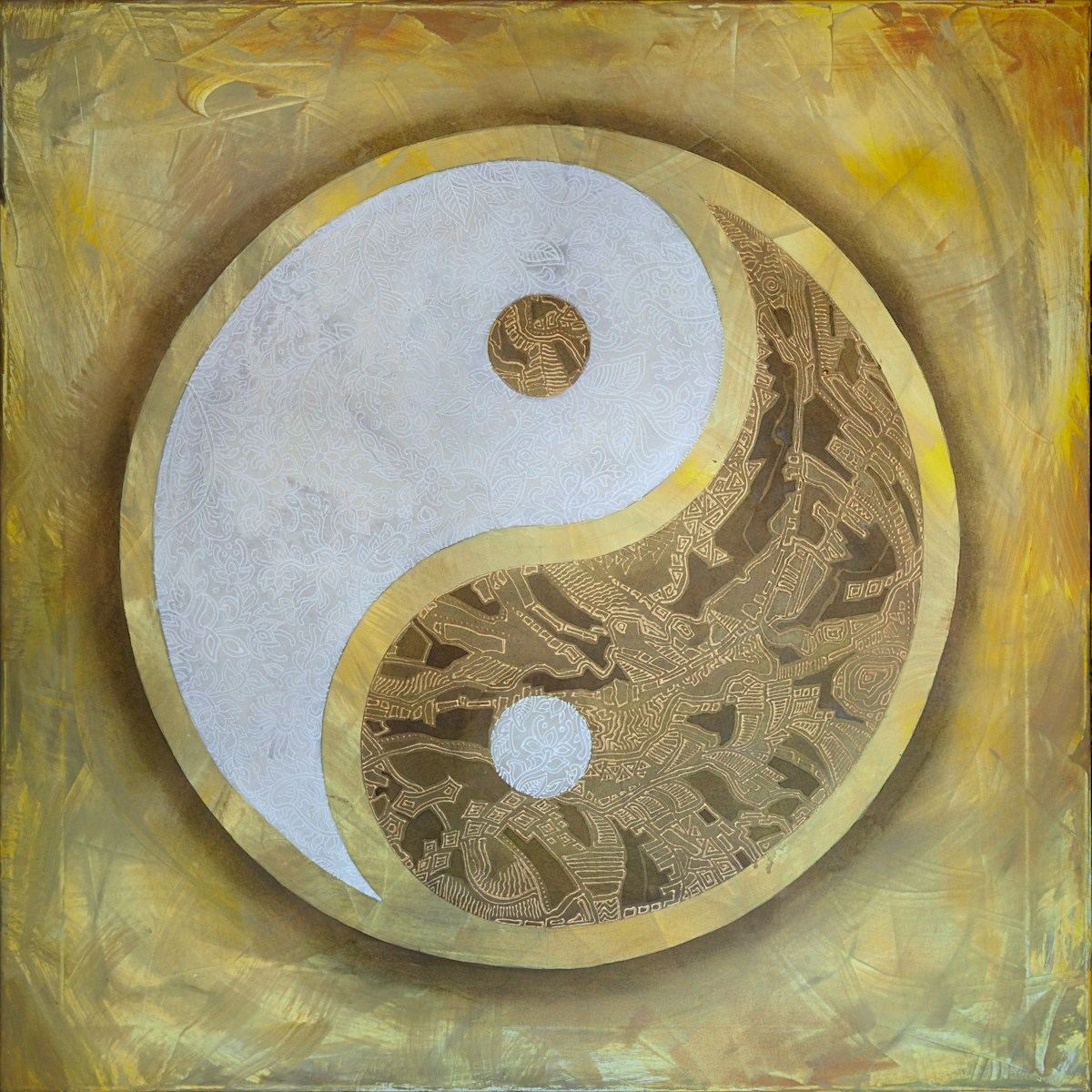
To live in the spirit of Lalitha is to embrace life in its entirety — both the purpose-driven future and the glittering present. It suggests that a truly fulfilling life is one where both the unofficial impact (represented by Eshwara) and the official manifestation (represented by Lalitha) are equally honoured.
In practical terms, this means that while one should work toward future aspirations, one must also immerse themselves in the richness of everyday moments: the texture of a conversation, the quality of attention given to a meal, the awareness present in a morning walk, the gratitude available in an ordinary Tuesday. These are not distractions from progress — they are its very substance. A life that bypasses them in single-minded pursuit of outcomes is a life that arrives at its destination impoverished.
The wisdom of Lalitha lies in the understanding that life is not just about where we are headed but also about how we travel. By appreciating both the journey and the destination, we can lead lives that are purposeful and joyful — ensuring that we do not lose the glitter of the present in our pursuit of future goals.
"A life fully lived is not one that arrives at its goal intact — it is one that is worn with experience, expanded by detours, and illuminated at every turn by the awareness that this moment, too, is the destination."
This balance between Eshwara and Lalitha — between purpose and presence, between the unofficial and the official, between the future and the now — offers a way to live life fully, embracing both dimensions of our existence without sacrificing one for the other. In Lalitha, Shaivam philosophy offers not merely a theological concept but a daily practice: the practice of noticing the glitter, honouring the journey, and recognising that the light of the present moment is never a lesser thing than the light of whatever we are chasing.