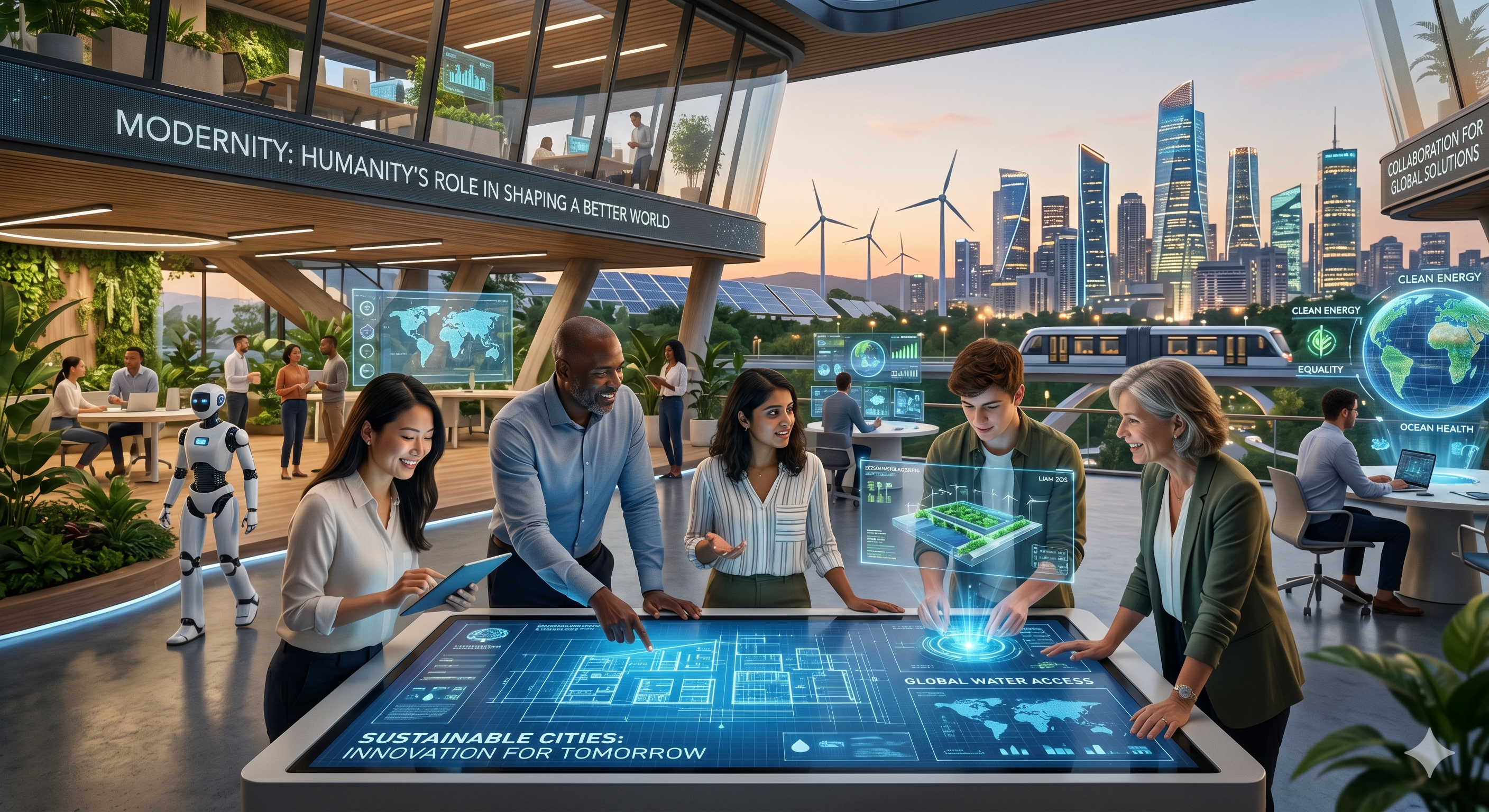
Modernity is often associated with the capacity to embrace tolerance, change, and innovation. One of the hallmarks of a modern mindset is the ability to tolerate differing viewpoints and lifestyles, acknowledging that the world is diverse and that progress depends on our ability to coexist peacefully. In this context, human innovation and synthetic creation are not seen as violations of nature but as expressions of humanity’s deepest mandate — the mandate to improve upon, refine, and advance the world we were given. This is not a departure from the divine. It is its fulfilment.
Synthetic Over Natural: A Shift in Perspective
The idea that synthetic is better than natural challenges traditional views that prioritize nature’s purity and simplicity. Synthetic products — whether in the form of man-made materials or human-engineered systems — often offer advantages over their natural counterparts: greater durability, higher efficiency, and the capacity to meet specific needs that nature alone cannot address. Synthetic medicines have helped cure diseases that natural remedies failed to treat. Engineered materials have built structures that natural resources could not sustain. Human-designed systems have distributed food, water, and knowledge at scales that nature never contemplated.
This shift from natural to synthetic reflects a broader belief: that humans, through experimentation and innovation, can genuinely improve upon nature. The scientific method and experimental results are not merely practical tools but expressions of human consciousness engaging seriously with the world. Instead of accepting nature as fixed and final, the modern mindset strives to create — to experiment, refine, and develop new solutions. What we make — our technology, infrastructure, medicine, and engineered systems — can lead to a better future than what nature alone provides.
“Progress is not the rejection of what was given but the responsible development of what was entrusted.”
Human Progress and the Divine Role
Many modern thinkers extend this belief in human progress to a broader philosophical and spiritual view: humans are meant to improve upon the world that was initially provided to them. The notion that humanity’s creation can surpass what nature alone offers suggests that our role is not passive but profoundly active. We are not merely stewards of the Earth — we are innovators, meant to transform and advance beyond our starting point.
From this perspective, the divine does not oppose human advancement but encourages it. The purpose encoded in human consciousness — our intellect, creativity, and freedom — is precisely the capacity to build a better world. Progress, innovation, and human creation become expressions of divine will rather than departures from it. We are not bound to maintain the world as it was given to us; we are called to make it more livable, more equitable, and more suited to the full range of human possibility.
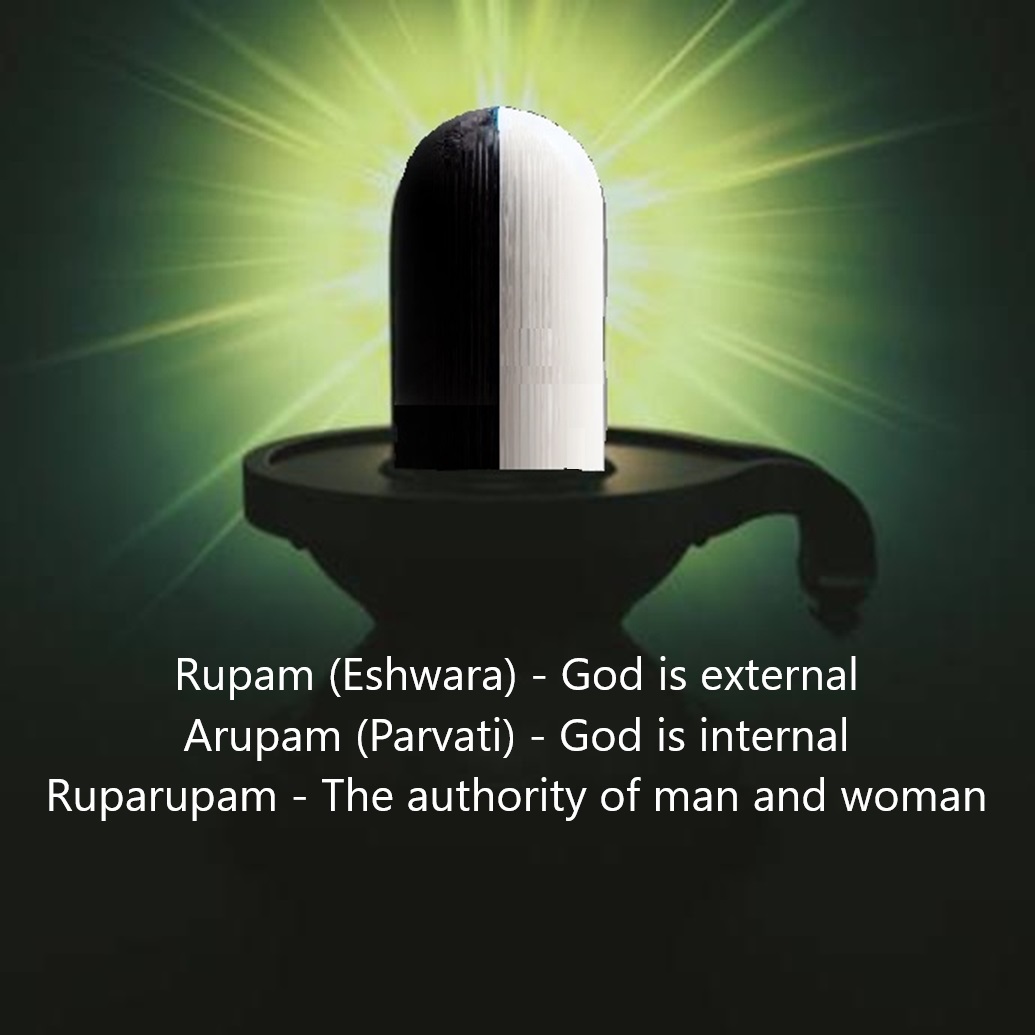
This interpretation does not negate the existence of a foundational reality — it proposes instead that the foundational reality includes and affirms the human capacity to grow. Eshwaram, in Shaivam terms, is the domain of lived experience where this capacity unfolds. Every iteration of human effort — every experiment, every innovation, every refinement — is an act of engagement with that domain. The divine is not diminished by human creation; it is made more visible through it.
The Freedom of Belief and the Search for a Better Life
Another core tenet of the modern mindset is the freedom to redefine or reinterpret foundational beliefs in ways that are practical and meaningful. This approach suggests that belief systems should not be rigid structures but living frameworks — adaptable to the insights, circumstances, and accumulated understanding of each generation. For practical reasons, each person must engage with the deepest questions of meaning, purpose, and truth in ways that genuinely connect with their experience.
In this sense, the pursuit of a better life becomes a spiritual and philosophical journey as much as a material one. Each individual is responsible for defining their path — using their understanding of the world to seek truth and fulfilment. Those who adopt this mindset believe that by embracing practical approaches to life, experimenting with new ideas, and remaining open to revised understanding, they will ultimately discover something more rather than less. The freedom to explore is not the abandonment of truth but its active pursuit.
This freedom is not unlimited — it is exercised within the recognition that some things are foundational and unchanging (Viswesam) while others are appropriately evolving and context-dependent (Eshwaram). The distinction between these two domains — the eternal and the evolving — is precisely what prevents freedom of belief from collapsing into mere relativism. Genuine modernity holds both.
Embracing Modernity and Progress
The modern perspective views progress as both a human and a divine mandate. By embracing synthetic advancements over natural limitations, relying on scientific experimentation, and allowing genuine freedom in belief and inquiry, humanity creates a better world. In doing so, we fulfil our potential not only as creators and innovators but as beings engaged in the serious pursuit of understanding.
The Three Pillars of the Modern Mindset
- Tolerance and coexistence — recognising that the world is diverse and that progress depends on our capacity to coexist
- Innovation over limitation — believing that human creation can genuinely improve upon the starting conditions given by nature
- Freedom of belief — treating foundational questions as living inquiries rather than closed systems
This worldview encourages us to move forward — constantly seeking new ways to improve upon the world we were given, and in that pursuit, to discover rather than abandon the deeper truths that endure. Modernity, rightly understood, is not the enemy of wisdom. It is wisdom in motion: engaged, experimental, humble about what it does not yet know, and committed to the endless pursuit of what it believes.