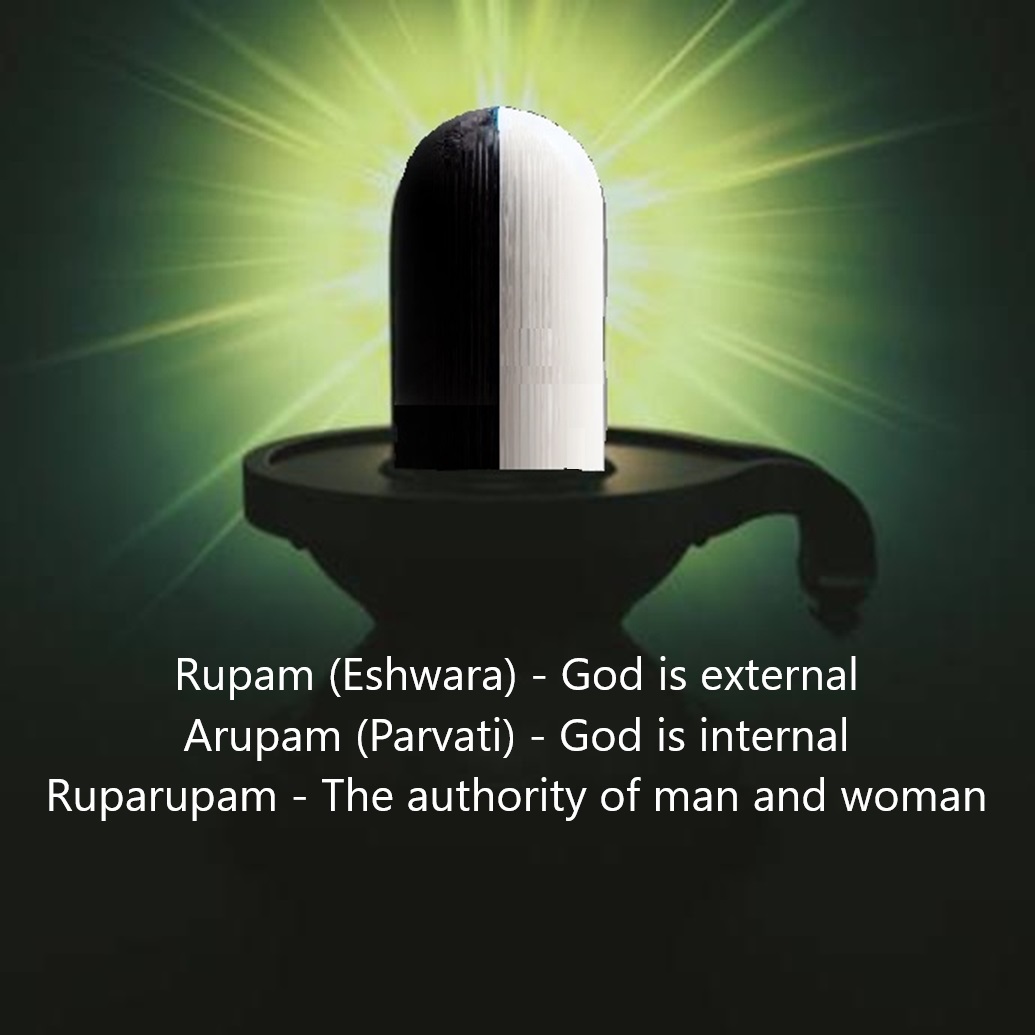
The term Pradhosham, derived from Paradhosham — meaning "spread duration" — signifies a unique and sacred period in the Shaivam tradition. It is a time when the pervasive presence of Eshwara, the divine, is felt throughout the universe: not concentrated in one place or one moment, but spread across all of existence like light through still water. During Pradosham, the veil between the material and spiritual worlds thins, allowing for a deeper connection to universal consciousness — also known as parabrahmam or agandarupam.
The Name and Its Meaning
To understand Pradosham is to begin with its etymology. Para means "supreme" or "pervasive" — that which extends beyond ordinary limits and fills all space. Dhosham refers to duration, a period of time. Together, Paradhosham — rendered as Pradosham — names a sacred window: not a single instant, but a spread duration in which the divine is unusually present, accessible, and close.
In Shaivam philosophy, time is not uniform. Certain moments carry greater spiritual weight than others — not because the divine withdraws at other times, but because the conditions within us and in the cosmos align more fully during particular periods. Pradosham is one such alignment. It is an invitation built into the structure of time itself.
"Just as the tide does not announce its turning but simply arrives, Pradosham does not call for you — it opens. The question is only whether you are present enough to notice."
The Cosmic Significance
During Pradosham, the boundary between the material and spiritual dimensions of reality becomes more permeable. Shaivam describes this not as a supernatural interruption of the ordinary but as a natural deepening of what is always already true: that the material world is pervaded by Eshwara, that consciousness underlies all form, and that the separation between the individual self and universal awareness is, at its root, a matter of perception rather than fact.
What Pradosham offers is a reduction in the perceptual noise that ordinarily obscures this truth. The distractions of daily life — its obligations, its anxieties, its relentless forward motion — temporarily quiet, not because circumstances change, but because the cosmic conditions during Pradosham support a stillness that makes the underlying reality more legible. Parabrahmam — the supreme consciousness — and agandarupam — formless, undivided awareness — become less abstract concepts and more directly felt realities.
Pradosham as Sacred Silence
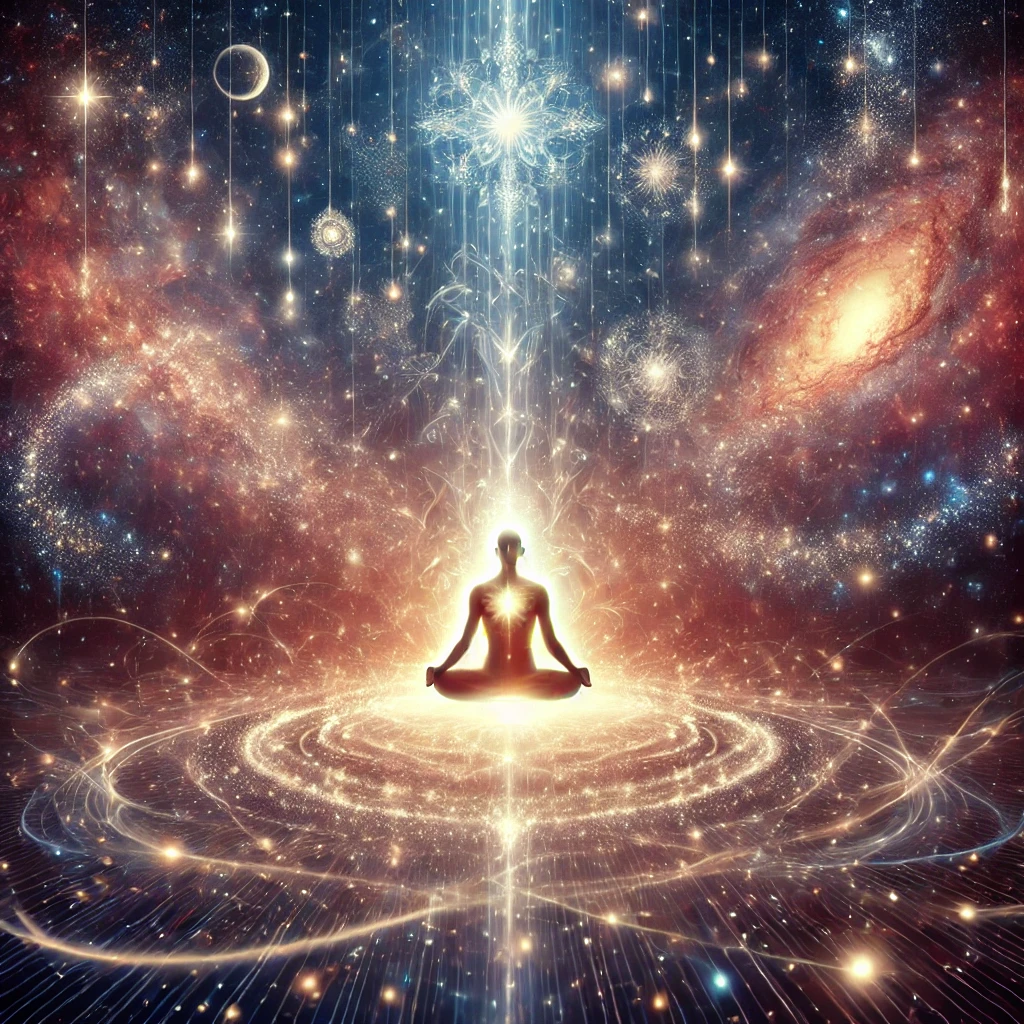
Pradosham can be likened to a state of deep meditation or silence — not the silence of emptiness but the silence of fullness. It is the hush that falls when something profound is about to be understood, the pause in a piece of music that makes the notes on either side more resonant. In this silence, the essence of existence becomes visible: what remains when material distractions are set aside, when the constant motion of wanting and achieving slows, when the individual turns toward what was always present beneath the surface.
The Three Qualities of Pradosham
- Pervasiveness — Eshwara's presence spreads across the entire universe without diminishment
- Permeability — the boundary between material and spiritual worlds becomes thinner, more crossable
- Potentiality — heightened awareness becomes accessible to those who turn inward with sincerity
This is why Pradosham is understood as an opportunity to attain heightened awareness — not because awareness is absent at other times, but because the conditions during Pradosham make the journey inward shorter, the resistance lighter, and the experience of deeper consciousness more immediately available.
Turning Inward: The Practice of Pradosham
During Pradosham, individuals are encouraged to turn inward — to move their attention from the external world of tasks, relationships, and goals toward the interior dimension of being. This is not escapism but orientation: a deliberate choice to face the direction from which all outer life is ultimately generated.
To connect with one's inner self during Pradosham is to experience the divine presence that permeates all creation. Eshwara is not encountered by travelling to a distant place but by stilling the movement that prevents recognition of what is already here. Prayer, meditation, chanting, fasting, or simply sitting in quiet awareness — these practices become more potent during Pradosham because the cosmic conditions amplify their effects.
Pradosham is, above all, a time for reflection, introspection, and spiritual awakening. It is a chance to transcend, however briefly, the limitations that the material world places on perception — and to glimpse the profound truth that lies beyond those limitations: that beneath every individual life, beneath every form and thought and feeling, there is a single, undivided, luminous awareness that Shaivam calls parabrahmam. Pradosham is the recurring invitation to remember this — and, in remembering, to live more fully from that remembrance in the days that follow.
"Pradosham does not demand elaborate preparation. It asks only for a sincere turning of attention — away from the surface of things and toward their source."