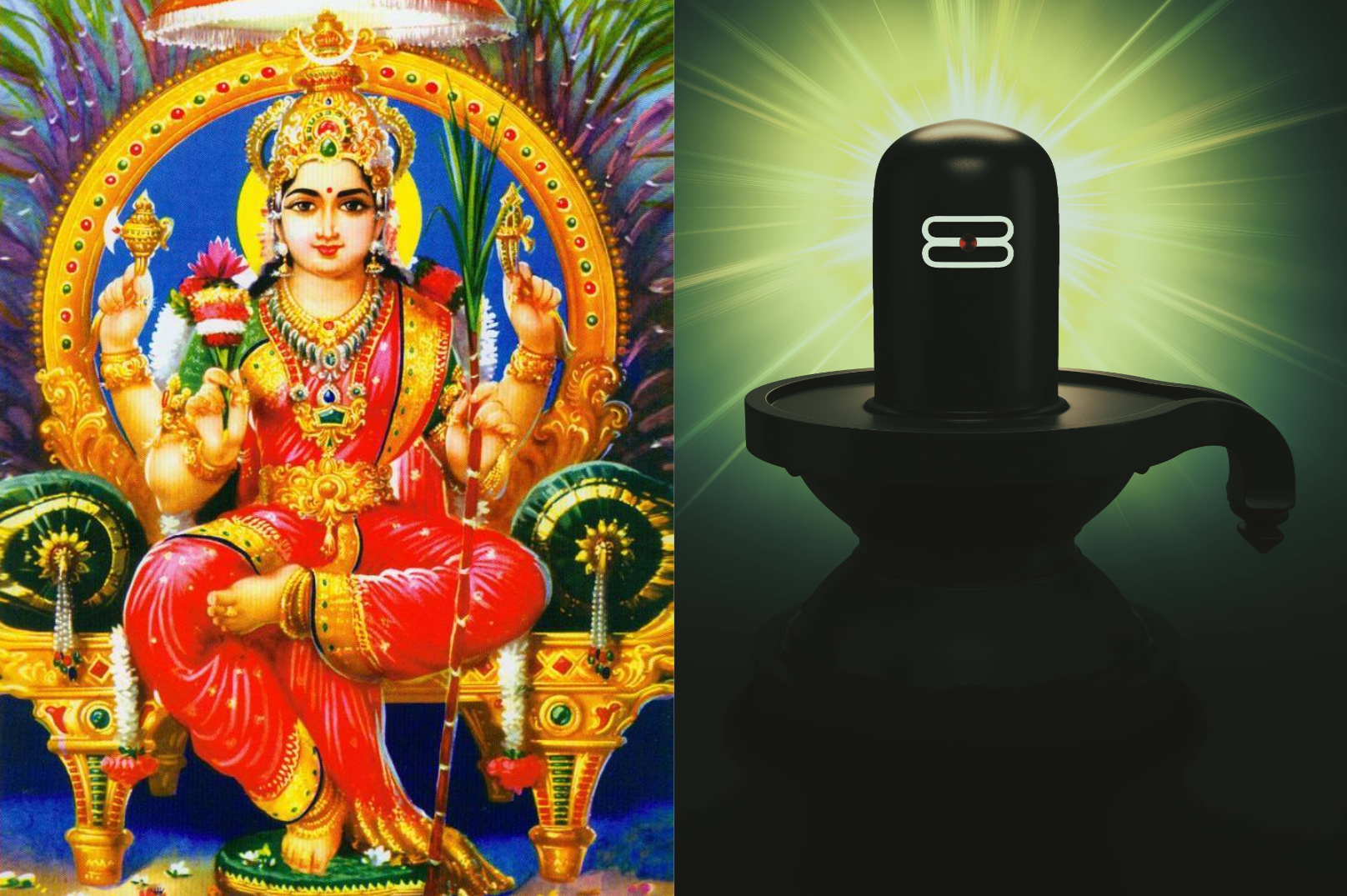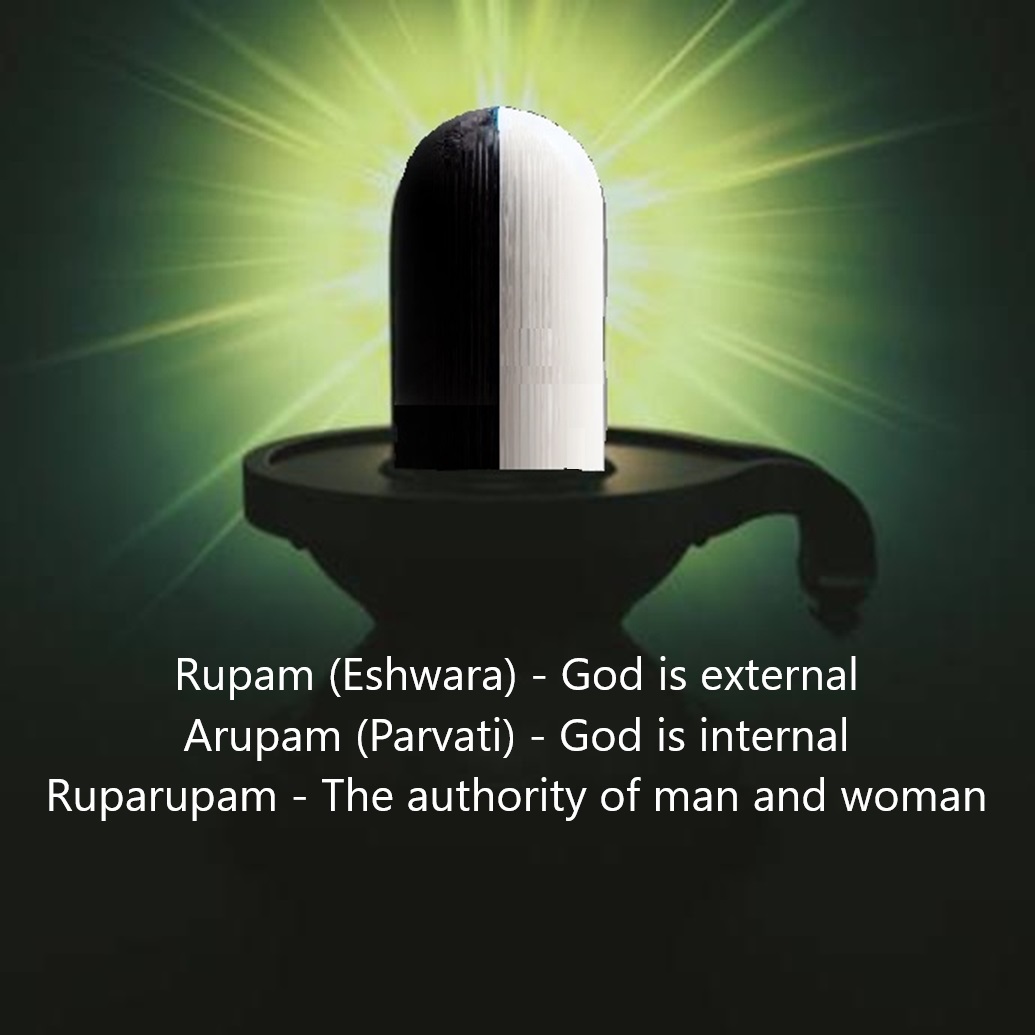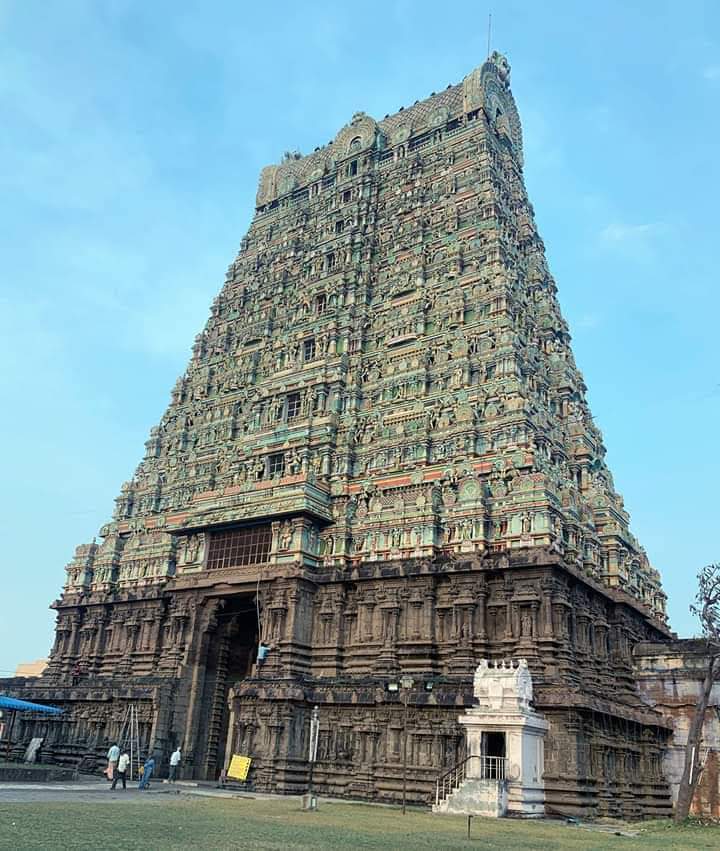
Temples, in the Shaivam tradition, are more than places of worship — they are carefully designed spaces of convergence, where the most fundamental dualities of human consciousness meet, integrate, and mutually reinforce one another. These convergences are not accidental features of temple design but represent the deliberate architectural, ritual, and symbolic embodiment of Shaivam's core philosophical principles. Four convergences lie at the heart of what every temple embodies.
Convergence 1 — Tri-Margam & Soujanya-Margam
Belief & Reasoning
Tri-Margam — the path of faith and devotion — orients the seeker toward Viswesam, the foundational truth accepted as a living conviction. Soujanya-Margam — the path of reasoning and inquiry — engages Eshwaram, the domain of lived experience where truth is continuously tested and deepened through action and reflection. Many traditions force a choice between faith and reason. The temple refuses this false dichotomy. Within its sacred space, both the devotee who comes with pure devotion and the seeker who arrives with questions find their approach honoured — faith deepened by understanding, understanding grounded by faith.
Convergence 2 — Viswesam & Eshwaram
The Eternal & The Evolving
Viswesam is the domain of the unchanging — archetypes and foundational truths that do not alter with time or circumstance. Eshwaram is the domain of continuous engagement — lived experience where understanding is refined through action, inquiry, and growth. In ordinary life these can feel disconnected: what we believe in principle and what we do in practice seem to occupy separate spheres. The temple bridges this gap. The inner sanctum (Viswesam) and the outer rituals and offerings (Eshwaram) are in constant dialogue. In the moment of darshan — seeing and being seen by the deity — what is eternal and what is immediate become one.
Convergence 3 — What We Believe & What We Pursue
The Constant Pursuit of What We Believe
"Shaivam is the constant pursuit of what we believe."
The temple is the physical and spiritual embodiment of this principle. It preserves what we believe — the values, archetypes, and truths encoded in deity, architecture, and ritual story — while simultaneously sustaining the constant pursuit through community practice, inquiry, and lived engagement. Belief without pursuit becomes rigid dogma, disconnected from life. Pursuit without belief becomes aimless wandering, lacking orientation. The temple demonstrates how to hold both: to maintain deep conviction while remaining open to ever-deeper understanding, to honour the tradition while embracing the growth that living inevitably brings.
Convergence 4 — Realization & Endeavor
Arrival & The Ongoing Journey
Have we already arrived, or are we still on the way? This is not a trick question — it is the paradox at the heart of genuine practice. The temple holds both truths simultaneously. In pradakshina (circumambulation), the devotee completes a full circuit and returns to the starting point — genuinely arrived. Yet they begin again. Each completion is real; no completion is final. Each realization opens new horizons and deepens the capacity for further pursuit. The temple teaches that there is no contradiction between celebrating how far we have come and acknowledging how much remains — both are expressions of the same sincere engagement with truth.
Seven sacred temples stand as the living expressions of all four convergences — spaces where Tri-Margam and Soujanya-Margam flow together, where Viswesam meets Eshwaram, and where the constant pursuit of what we believe is given form, community, and enduring expression across generations.